
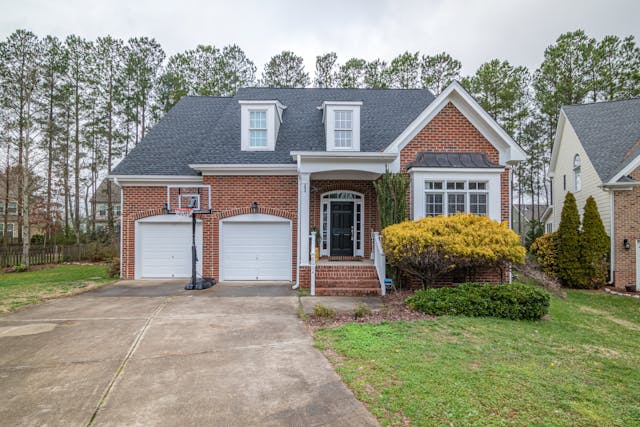
Most major home repairs do not begin with a dramatic failure. A roof rarely starts leaking all at once, and foundation trouble usually whispers before it shouts. In homes across Louisiana, the biggest problems are often the ones quietly developing in the background while everything still appears “fine.”
The good news is that houses usually give warning signs long before a repair turns expensive.
Small Cracks That Are Slowly Growing
Hairline cracks above doors or windows are common in many homes, especially with shifting soil and changing moisture levels. But when those cracks begin widening, reappearing after patching, or traveling diagonally across walls, it may point to movement underneath the structure.
Doors that suddenly stick, uneven floors, or gaps around trim can also suggest the home is shifting more than it should. These issues are easy to overlook because they happen gradually, often over months or years.
The Roof That Looks Fine From the Driveway
A roof can appear perfectly healthy from the street while already showing signs of wear. Curled shingles, dark streaking, exposed nail heads, or loose flashing around vents are early indicators that water may eventually find its way inside.
In humid climates, moisture damage tends to build quietly in attics first. Damp insulation, a musty smell, or faint staining on roof decking often appear before interior ceiling stains ever show up. Catching those signs early can prevent much larger repairs later.
Soft Wood Never Gets Better
Wood rot is one of those problems that starts small and spreads steadily. Exterior trim, window frames, fascia boards, and porch columns are common trouble spots because they stay exposed to moisture year-round.
A painted surface may still look solid while the wood underneath has already softened. If an area feels spongy when lightly pressed or paint keeps bubbling in the same spot, moisture is likely trapped inside.
Plumbing Problems That Haven’t Become Leaks Yet
Not every plumbing issue announces itself with standing water. Slow drains, fluctuating water pressure, rust-colored stains beneath sinks, or unusually high water bills can all signal developing problems behind walls or under slabs.
One overlooked warning sign is a water heater making popping or rumbling noises. Sediment buildup inside the tank forces the system to work harder and often shortens its lifespan long before the homeowner realizes anything is wrong.
Electrical Clues People Tend to Ignore
Flickering lights, warm outlets, frequently tripped breakers, or buzzing sounds should never be considered “normal house quirks.” Electrical systems often provide subtle warnings before components fail.
Older homes especially may have outdated panels, overloaded circuits, or amateur wiring repairs hidden behind walls. Problems like these can remain unnoticed for years until a major appliance is added or demand increases.
The Best Time to Fix a Problem
The most affordable repair is usually the one handled before failure happens. Homes constantly communicate through small changes, minor symptoms, and gradual wear. Paying attention to those early signs can prevent emergencies, protect property value, and keep small issues from becoming major disruptions later on.
A house rarely goes from perfect to damaged overnight. Most of the time, it gives plenty of warning first.
