
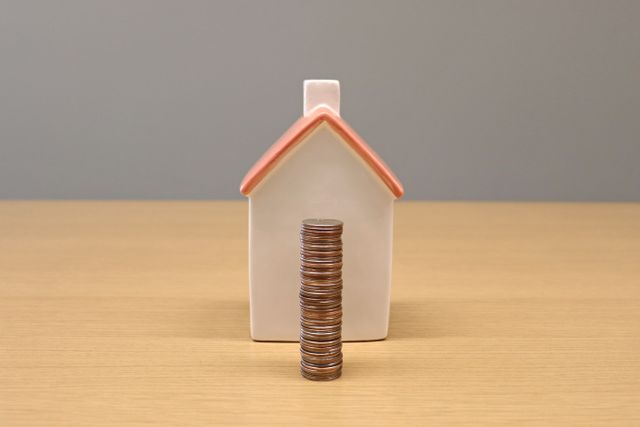
Buying a house is exciting, but the purchase price is only part of what it takes to keep a home in good shape. Many buyers budget for the mortgage, insurance, closing costs, and maybe a little paint and new flooring. What can catch them off guard are the larger repairs hiding behind ordinary-looking walls, ceilings, and mechanical equipment.
Here are several of the more expensive items worth keeping on the radar before moving day.
The Roof May Have More Years Behind It Than You Think
A roof does not have to leak today to become an immediate expense. Age, worn shingles, damaged flashing, poor ventilation, and previous storm damage can all shorten its remaining service life. A roof replacement can easily become one of the biggest unexpected costs after closing, particularly when a buyer discovers that repairs are no longer enough.
Heating and Cooling Systems Do Not Last Forever
In a warm, humid climate, an air-conditioning system gets plenty of work. Older equipment may still be cooling the house during an inspection while quietly approaching the end of its useful life. Replacement costs can be significant, and ductwork, electrical components, drainage problems, or poor installation can add to the bill.
Plumbing Problems Can Hide in Plain Sight
A dripping faucet is one thing. Aging supply lines, deteriorated drain piping, sewer line problems, or a failing water heater are another. Some plumbing issues are concealed beneath floors or inside walls, where a small problem can eventually cause substantial damage. Buyers should pay attention to the age and condition of the entire plumbing system rather than focusing only on visible fixtures.
Electrical Repairs Are Not Always Small
Older homes can have outdated wiring, overloaded panels, missing safety devices, or electrical work that was modified over the years without being brought up to current standards. Correcting these conditions may involve more than replacing a few outlets. In some cases, portions of the electrical system require professional upgrades.
Moisture and Drainage Deserve Special Attention
Water is remarkably good at finding its way into places it should not be. Poor grading, clogged gutters, damaged flashing, foundation drainage problems, and moisture beneath a house can lead to wood deterioration, mold-related concerns, or structural repairs. Heavy rain can reveal weaknesses that remain unnoticed during dry weather.
The Best Budget Has Room for the Unexpected
A home inspection is valuable because it can identify visible conditions and help buyers understand which components are nearing the end of their service life. It cannot predict every repair, however. Houses age, weather takes its toll, and mechanical equipment eventually quits.
The smartest approach is to look beyond the immediate repair list. Consider the roof, HVAC system, plumbing, electrical components, drainage, and other major systems as future expenses—not just today’s problems. Setting aside money for those possibilities can turn an unpleasant surprise into a manageable part of homeownership.
