
The Invisible Ingredient in Home Comfort
Humidity rarely gets the attention it deserves, yet it quietly influences how a home feels, functions, and ages. It is the unseen partner of temperature—often overlooked until things start to feel sticky, dry, or just “off.” Maintaining the right balance of indoor moisture is one of the simplest yet most powerful ways to protect both comfort and structure.
When the Air Gets Too Wet: A Slow, Silent Invader
Excess humidity is more than a comfort issue. When indoor moisture levels stay too high for too long, it creates ideal conditions for mold growth, mildew, and dust mites. These don’t just appear in obvious places; they thrive behind furniture, inside closets, and within wall cavities where airflow is limited.
Over time, persistent dampness can begin to affect building materials. Wood swells, paint blisters, and metal components may start showing early signs of corrosion. Even insulation loses efficiency when it becomes damp, leading to higher energy use and uneven temperatures throughout the home.
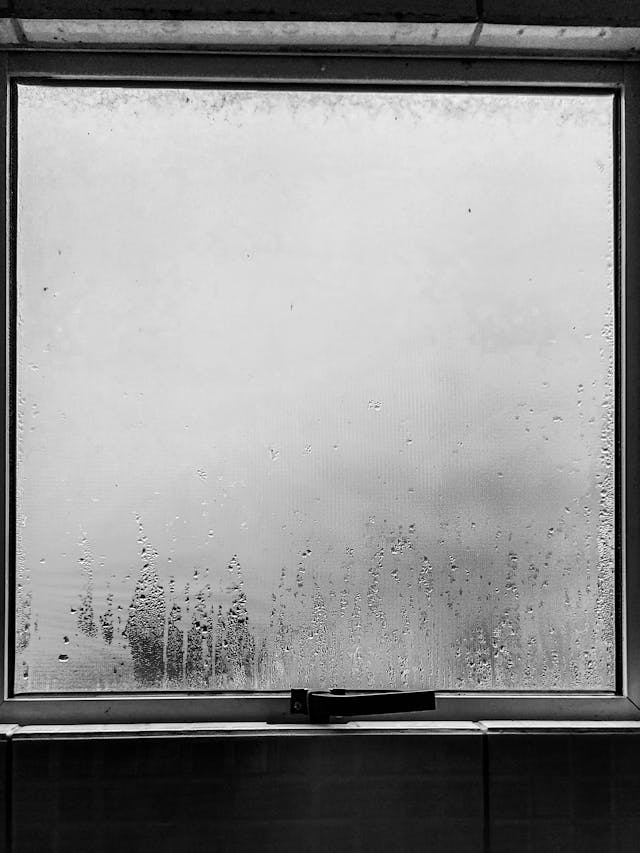
Condensation is often the first noticeable clue. Fogged windows, damp corners, and a persistent musty smell are all warning signals that indoor air is holding too much moisture.
When Air Becomes Too Dry: The Other Side of the Spectrum
While less common in naturally humid regions, overly dry indoor air can still occur due to air conditioning overuse or improper ventilation. Dry air tends to pull moisture from wherever it can find it—including wood floors, trim, and cabinetry. The result is cracking, shrinking, and gaps that slowly alter the integrity of interior finishes.
Occupants may also notice physical discomfort. Dry skin, irritated sinuses, scratchy throats, and static electricity become more frequent when humidity drops too low. Even musical instruments and delicate furnishings can suffer under these conditions.
The Sweet Spot: Why Balance Matters Most
The ideal indoor humidity range typically falls between 30% and 50%. Staying within this window helps reduce strain on both the home and its occupants. It also supports HVAC efficiency, as systems don’t have to work as hard to regulate temperature when moisture levels are stable.
Dehumidifiers, properly sized air conditioning systems, and controlled ventilation all play a role in maintaining this balance. Equally important is identifying hidden moisture sources—such as plumbing leaks, poor drainage around the structure, or insufficient attic ventilation.
Reading the Warning Signs Early
Homes often “speak” before major issues develop. Peeling paint, warped trim, recurring condensation, or persistent odors are subtle clues that humidity levels may be out of balance. Addressing these early prevents more significant and costly repairs later on.
A Quiet but Powerful Factor in Home Health
Humidity does not announce itself loudly, but its effects accumulate over time. When properly managed, it supports comfort, preserves materials, and helps a home perform as intended. When ignored, it can quietly undermine even the most well-built structure.
