
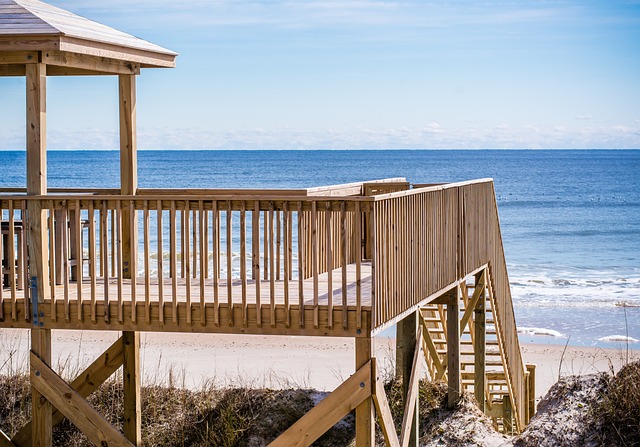
Living by the beach is a dream come true for many, with the sound of crashing waves and breathtaking ocean views. However, this idyllic setting can take a toll on the exterior of your property. Understanding the unique challenges posed by a beachfront environment and learning how to combat them can help you maintain the beauty and integrity of your coastal home.
Salt and Moisture
One of the primary culprits in the degradation of beachfront properties is salt. Salt-laden air, carried by ocean breezes, clings to surfaces, leading to corrosion and rust. Metals, including fixtures, railings, and even nails, are particularly susceptible. Over time, salt can penetrate paint and protective coatings, causing them to peel and deteriorate, exposing the underlying material to further damage.
Moisture, in the form of high humidity and frequent rain, exacerbates the problem. Wooden elements swell and warp, while masonry and concrete absorb water, leading to cracks and structural weaknesses. The constant presence of moisture also encourages mold and mildew growth, which can spread quickly and cause both aesthetic and health concerns.
Sun and Sand
The sun, while a source of warmth and light, can be relentless. UV rays cause fading and weakening of materials, especially those that are painted or stained. Your once vibrant siding and trim can become dull and brittle, requiring frequent maintenance and replacement.
Sand, seemingly harmless, acts as an abrasive agent. Wind-driven sand can strip paint and wear down surfaces, much like sandpaper. It infiltrates every nook and cranny, making it a persistent nuisance that contributes to the overall wear and tear of your property.
Protective Measures
To combat these challenges, regular maintenance is key. Rinse surfaces with fresh water frequently to remove salt buildup. Investing in high-quality, marine-grade materials for fixtures and finishes can significantly extend their lifespan. These materials are specifically designed to withstand the harsh coastal environment.
Applying a protective sealant to wood, metal, and concrete surfaces provides an additional layer of defense against moisture and UV damage. Regularly inspect your property for signs of wear, and address issues promptly to prevent minor problems from becoming major repairs.
Landscaping can also play a protective role. Strategic placement of windbreaks, such as hedges or fences, can reduce the impact of wind and sand. Additionally, choosing native plants that thrive in coastal conditions can help stabilize soil and reduce erosion around your property.
Living by the beach offers unparalleled beauty and tranquility, but it requires a proactive approach to property maintenance. By understanding the unique challenges of a beachfront environment and implementing protective measures, you can preserve your home’s exterior and enjoy your coastal paradise for years to come.
