
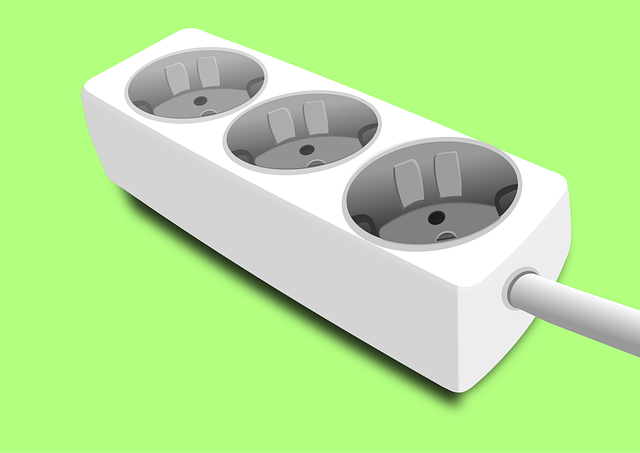
Power strips are a familiar sight in modern homes. They provide extra places to plug in everyday electronics, help organize cords, and make it easier to set up home offices and entertainment areas. Despite their convenience, these small devices can become a safety concern when they are poorly placed, overloaded, or damaged.
Understanding a few basic precautions can help keep your home’s electrical setup safer and more reliable.
🔌 Give Every Power Strip a Safe Workload
A power strip is designed to handle a specific amount of electricity. Exceeding its rated capacity can cause overheating and potentially contribute to an electrical fire.
Be particularly cautious with high-power appliances, including portable heaters, coffee makers, and kitchen appliances. These often need to be connected directly to a suitable wall outlet, as directed by their manufacturers.
A useful habit: Check the wattage or amperage rating before plugging in multiple devices. Never assume that an available socket means the strip can safely handle another appliance.
⚡ Resist the Temptation to Add More Outlets
Connecting several power strips together may seem like a quick fix for limited outlets, but it is not a safe way to expand electrical capacity. The same concern applies to connecting a power strip to an extension cord unless the manufacturer explicitly permits that configuration.
If you regularly run out of outlets in a room, consider having a licensed electrician assess your needs. Additional properly installed outlets may be the better long-term solution.
🏡 Choose a Sensible Location
Where a power strip sits can affect its safety. Keep it away from sinks, damp floors, leaking pipes, and other sources of moisture. Avoid hiding it beneath carpets, bedding, or furniture where heat may accumulate or damage may go unnoticed.
Position cords where they will not be crushed, stretched, tripped over, or caught in closing doors. Leave enough space around the strip for ventilation and easy inspection.
🔎 Recognize the Signs of Trouble
Power strips do not need to look badly damaged to be unsafe. During routine household checks, look for:
- Loose sockets that fail to grip plugs securely.
- Split insulation, exposed wiring, or bent plug blades.
- Brown marks, melted plastic, or evidence of overheating.
- Unexpected buzzing, sparking, or a burning smell.
Stop using a power strip if any of these warning signs appear. Replace defective equipment rather than attempting a repair. If a wall outlet becomes hot, shows scorch marks, or smells burnt, stop using it and have a qualified electrician investigate.
🛡️ Understand the Protection You Need
Choose products from reputable manufacturers with recognized safety certification, such as UL or ETL. If you want protection for sensitive electronics, select a surge protector specifically designed for that purpose.
Remember that a basic power strip distributes electricity to multiple devices; it does not necessarily protect them from voltage surges. Even surge protectors have limitations and should be replaced when damaged or no longer functioning properly.
The Bottom Line
Electrical safety often comes down to everyday decisions. Use power strips within their ratings, keep them dry and accessible, inspect them regularly, and replace worn equipment promptly.
Extra outlets are convenient, but safe electrical connections should always come first.
