
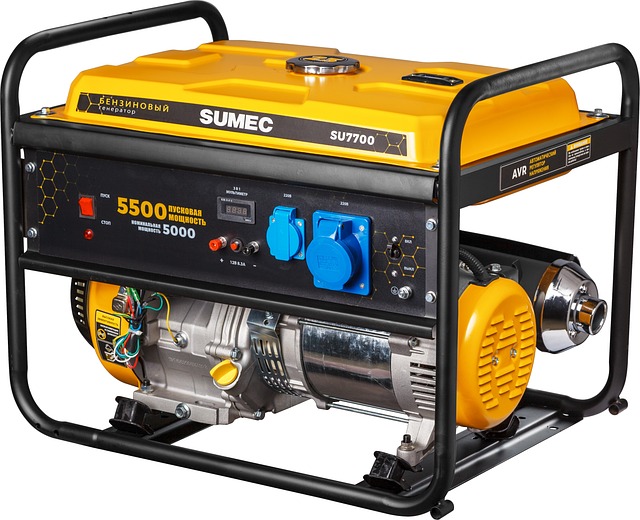
When a Louisiana storm knocks out the electricity, a portable generator can help keep food cold, fans running, and essential household equipment operating. But before that engine starts humming, there are a few important things every homeowner should understand.
A generator is a powerful piece of equipment, not simply a backup appliance. Where it sits, how it connects to your home, and how it is maintained can make the difference between a useful emergency resource and a serious safety risk.
Choose the Right Spot Before Starting the Engine
One of the most dangerous generator mistakes is placing the unit too close to the house. Generator exhaust contains carbon monoxide, a poisonous gas that cannot be seen or smelled. It can enter a home through open windows, doors, and ventilation openings.
Position the generator outdoors, at least 20 feet from the house and other occupied buildings, with its exhaust pointing away from openings. Follow the manufacturer’s instructions for additional clearance requirements.
A garage is never a safe operating location, even with the door open. The same caution applies to sheds, enclosed patios, and other spaces where exhaust can collect.
Install working carbon monoxide alarms throughout the home, particularly near sleeping areas. These alarms provide an important layer of protection, but they do not replace proper generator placement.
Louisiana Rain Calls for Extra Precautions
A generator sitting in a puddle or getting soaked during a thunderstorm creates an electrical hazard. Unfortunately, storm conditions are often exactly when backup power is needed most.
Set the unit on firm, level ground in a location that is not prone to flooding. Keep it away from gutters that overflow, drainage paths, and areas where stormwater tends to collect.
If rain protection is necessary, use a shelter specifically designed for generator operation. It must allow sufficient airflow and prevent dangerous heat buildup. A makeshift cover that blocks ventilation can create another problem while attempting to solve one.
Treat Fuel Like a Fire Hazard
Gasoline-powered generators require careful refueling. Turn the engine off and let it cool completely before adding fuel. Gasoline spilled onto hot engine parts can ignite.
Store fuel in approved containers, away from ignition sources and living spaces. Never store gasoline beside a water heater, furnace, or other equipment that could provide an ignition source.
Keep fuel away from children and pets, and follow the generator manufacturer’s instructions for fuel storage and handling.
Connect Appliances the Safe Way
The electrical setup deserves just as much attention as the engine. Use outdoor-rated extension cords that can handle the connected appliances’ electrical demands. Replace cords with cracked insulation, damaged plugs, or loose connections.
Never feed generator electricity into a household wall outlet. This dangerous practice can send power backward through the electrical system and expose utility workers to energized lines.
For a generator that supplies household circuits, have a qualified electrician install a properly rated transfer switch or other approved transfer equipment. This provides a safer way to separate generator power from utility power.
Check the generator’s wattage limits before connecting appliances. Refrigerators, pumps, and air conditioners may require extra starting power, so running everything at once can overload the unit.
Check the Equipment Before Storm Season
Do not wait until a hurricane warning to discover that the generator will not start. Follow the maintenance schedule for oil, filters, spark plugs, and other service items. Inspect fuel lines, cords, and visible components for damage.
Operate the generator according to its manual, and keep children and pets at a safe distance from hot surfaces and moving parts.
Make Safety Part of Your Emergency Plan
Reliable backup power begins long before an outage. A properly positioned generator, sound electrical connections, safe fuel storage, and routine maintenance help reduce preventable risks.
Before the next Louisiana storm arrives, take a few minutes to inspect your equipment and review its operating instructions. When the neighborhood goes dark, being prepared means more than having electricity available. It means knowing how to use it without putting your household or property in danger.
