
A Breath of Fresh Air—With a Few Considerations
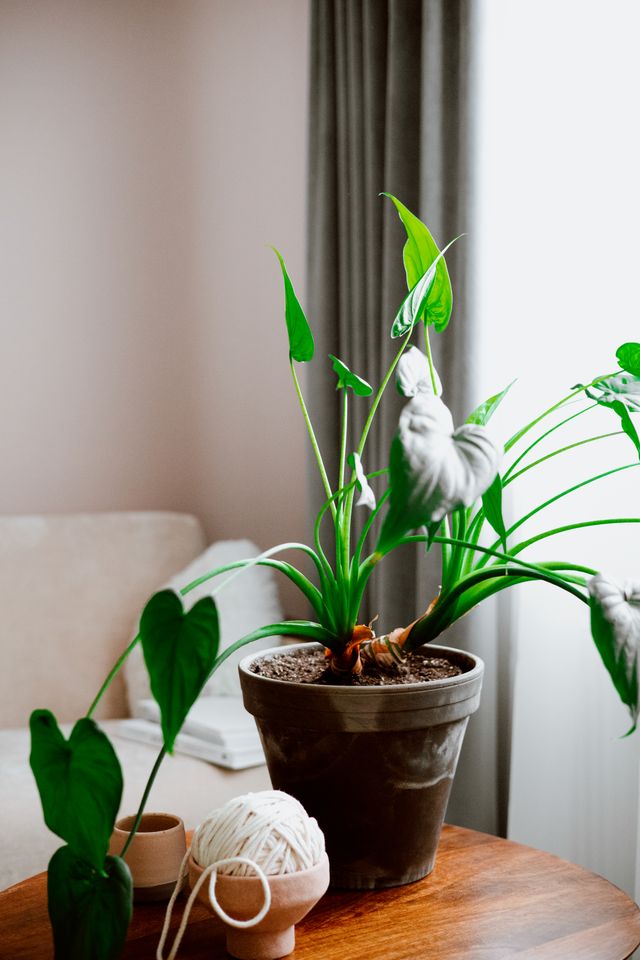
Houseplants have become a staple in modern homes, adding color, texture, and a sense of calm to living spaces. While they certainly enhance the appearance of a room, their impact reaches well beyond aesthetics. The right indoor plants can contribute to a healthier living environment, but they also require proper care to ensure they don’t unintentionally create problems for the home itself.
Like many features of a house, balance is the key.
How Plants Can Benefit Indoor Living
Healthy houseplants can improve the overall comfort of a home in several ways. During photosynthesis, plants absorb carbon dioxide and release oxygen, helping create fresher indoor air. Some varieties may also contribute modestly to humidity levels, which can be especially helpful during dry seasons when indoor air becomes uncomfortable.
Beyond physical benefits, studies have shown that indoor greenery may help reduce stress, improve mood, and even increase focus. Whether placed in a home office, living room, or bedroom, plants often create a more welcoming and relaxing atmosphere.
While houseplants are not a substitute for proper ventilation or air filtration, they can certainly complement a healthy indoor environment.
When Too Much of a Good Thing Becomes a Problem
As beneficial as plants can be, excessive moisture is never a home’s best friend. Overwatering is one of the most common issues associated with indoor plants, and it can lead to hidden damage over time.
Water that repeatedly spills onto hardwood floors, windowsills, or countertops may eventually stain finishes or cause materials to deteriorate. Decorative pots without drainage can trap moisture, while saucers left full of standing water create ideal conditions for mold and mildew.
High concentrations of plants in poorly ventilated rooms may also increase indoor humidity beyond desirable levels, particularly in warm, humid climates where moisture management is already important.
Keeping Both Plants and Your Home Healthy
Fortunately, enjoying houseplants without risking damage is simple with a few good habits.
- Use pots with proper drainage whenever possible.
- Empty drainage trays after watering.
- Protect flooring and furniture with waterproof plant stands or trays.
- Watch for signs of mold around soil surfaces or nearby walls.
- Avoid placing plants where they block air vents or restrict airflow.
- Inspect window sills and surrounding surfaces regularly for moisture buildup.
Routine observation goes a long way toward preventing small issues from becoming expensive repairs.
The Bottom Line
Houseplants offer more than visual appeal. When cared for properly, they can contribute to a more pleasant indoor environment, support occupant well-being, and bring a natural sense of life into a home. At the same time, understanding how moisture interacts with building materials is just as important as knowing how often to water a favorite fern.
A healthy home is built on good maintenance, proper ventilation, and attention to detail. Houseplants fit beautifully into that picture—as long as they are cared for with both the plant and the home in mind. With a little balance, homeowners can enjoy the best of both worlds: thriving greenery and a house that remains healthy for years to come.
