
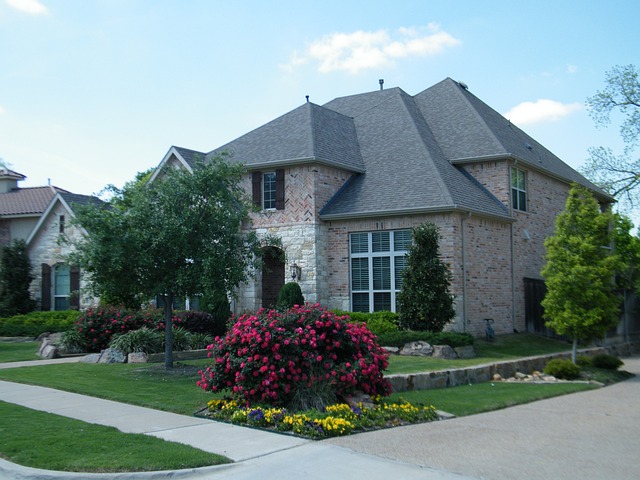
Manufactured stone has gained significant popularity in the construction and home improvement industries. It offers a range of benefits that make it a viable alternative to natural stone. In this article, we will explore the advantages and disadvantages of manufactured stone, helping you make an informed decision for your next project.
Benefits of Manufactured Stone
One of the primary advantages of manufactured stone is its affordability. Compared to natural stone, which can be quite expensive, manufactured stone offers a cost-effective solution without compromising on aesthetics. Manufactured stone also offers a wide range of design options, allowing homeowners and builders to achieve their desired look.
Another benefit of manufactured stone is its durability. Engineered to withstand the elements, including extreme weather conditions, manufactured stone is resistant to cracking, fading, and chipping, ensuring that your investment retains its beauty for years to come. Additionally, it requires minimal maintenance, saving you time and effort in the long run.
Disadvantages of Manufactured Stone
Despite its durability, manufactured stone can be susceptible to water damage if not properly installed or maintained. Several factors can contribute to water infiltration and subsequent damage. Improper installation techniques, such as inadequate sealing, improper flashing, or gaps in joints, can allow water to seep behind the stone, leading to moisture-related problems.
While manufactured stone closely resembles natural stone, the color variations and textures may not be as organic, which can be a concern for those seeking a truly authentic look.
Manufactured stone, like any construction material, has environmental implications. The production process involves the extraction of raw materials and the use of energy, contributing to carbon emissions.
If you are considering manufactured stone for your new home, it’s good to weigh the benefits versus the disadvantages so that you can make an informed choice.
