
Living on a property with sinkhole potential can be a cause for concern. While your property may not be at particular risk, you still want to be proactive about detection, as it can save you from potential dangers. Sinkholes, while not always visible, can pose significant risks to both property and safety. Here’s how you can detect sinkholes on your property:
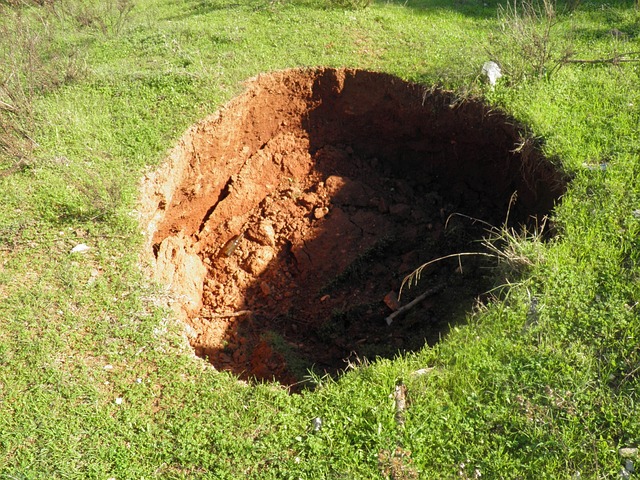
- Visual Inspection: Keep an eye out for any depressions or indentations in the ground. These may appear suddenly or gradually over time. Also, look for cracks in walls, pavement, or the ground itself, which could indicate underlying shifts in the earth.
- Survey the Surroundings: Take note of any changes in the landscape or nearby bodies of water. Sinkholes often form due to changes in groundwater levels or the dissolution of soluble rock beneath the surface.
- Monitor Water Flow: Pay attention to any sudden changes in water flow patterns, such as disappearing streams or standing water where it wasn’t before. These could be signs of underground erosion caused by sinkholes.
- Vegetation Changes: Keep an eye on the health of vegetation on your property. Sudden wilting or dying of plants, especially in localized areas, could indicate the presence of sinkholes affecting root systems.
- Professional Inspection: When in doubt, consult a professional geologist or engineer who specializes in sinkhole detection. They can perform tests such as ground-penetrating radar or soil borings to assess the risk accurately.
Remember, early detection is key to minimizing potential damage from sinkholes. Stay vigilant and address any concerning signs promptly to ensure the safety and stability of your property.
