
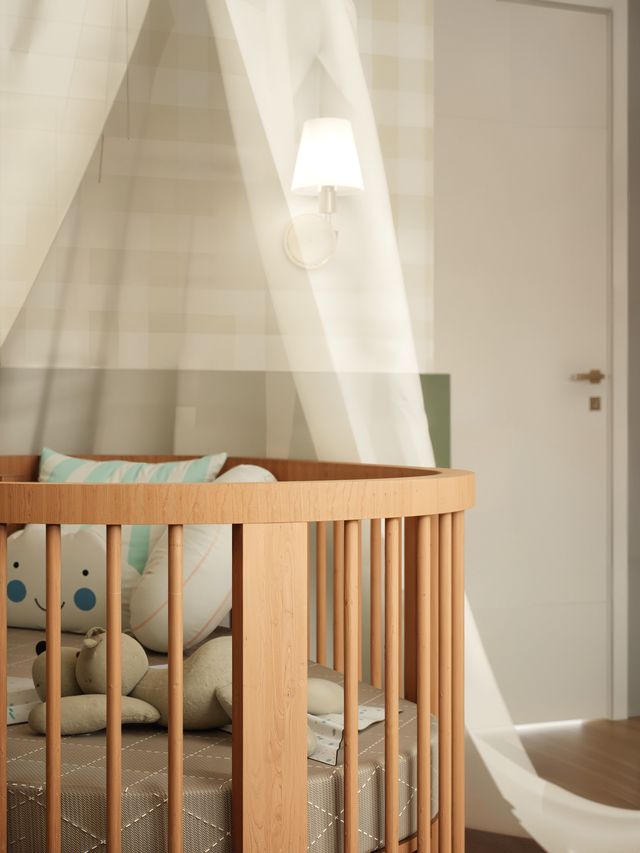
Preparing a nursery is one of the most exciting parts of welcoming a new baby, but creating a beautiful space is only part of the job. A nursery should also provide a healthy environment where little ones can sleep, play, and grow without unnecessary exposure to hidden hazards. Many common household materials can affect indoor air quality or introduce unwanted chemicals, but a few thoughtful choices can make a significant difference.
Start with Cleaner Air
Fresh indoor air is one of the most valuable features of any nursery. Before bringing in furniture and décor, allow the room to air out by opening windows whenever weather permits. If the nursery has recently been painted, installed with new flooring, or furnished with brand-new items, giving these materials time to release their initial odours can help reduce airborne volatile organic compounds (VOCs).
Choosing low-VOC paints and finishes is another smart investment that supports healthier indoor air from day one.
Choose Furniture Wisely
Not all nursery furniture is created equally. Cribs, dressers, and changing tables made from solid wood or certified low-emission materials often release fewer chemicals than products manufactured with pressed wood and heavy adhesives.
When purchasing a crib, always verify that it meets current safety standards and avoid using older or second-hand models that may no longer comply with modern regulations.
Be Mindful of Flooring and Rugs
Soft flooring makes a nursery feel warm and inviting, but it can also collect dust, pet dander, and allergens. Area rugs that are labelled as low-emission or made from natural fibres are often a healthier choice than products with strong chemical odours.
Regular vacuuming with a HEPA-filter vacuum and occasional deep cleaning help minimise dust accumulation while improving overall indoor air quality.
Watch for Moisture Problems
Moisture is one of the most overlooked environmental concerns inside a home. Even a small plumbing leak or condensation around windows can create conditions where mould begins to grow.
Check walls, ceilings, and windows for signs of water stains or dampness, especially after heavy rain. Addressing moisture issues promptly helps protect both the home and the nursery from mould-related problems.
Reduce Everyday Chemical Exposure
Simple swaps can make a noticeable difference. Choose fragrance-free cleaning products whenever possible and avoid heavily scented air fresheners or candles in the nursery. Babies have developing respiratory systems that are often more sensitive to airborne chemicals than adults.
Storing paints, pesticides, fuels, and other household chemicals well away from living areas also helps maintain healthier indoor air.
Create a Safe Sleep Environment
A healthy nursery goes beyond environmental concerns. Place the crib away from windows with dangling cords, heating vents, and direct sunlight. Keep the sleeping area free of loose blankets, pillows, stuffed animals, and decorative bumpers to reduce sleep-related risks while maintaining a clean, uncluttered space.
A Healthy Start Begins at Home
Creating a nursery free from environmental hazards doesn’t require expensive renovations or complicated projects. Careful product selection, good ventilation, moisture control, and routine maintenance all contribute to a healthier indoor environment. Taking these practical steps before baby arrives helps create a nursery that feels comfortable, safe, and ready for many peaceful nights ahead.
