
A backyard swimming pool can be a source of enjoyment and relaxation for families, but it also comes with the responsibility of ensuring safety, especially for young children. Pool barriers play a crucial role in preventing accidents and promoting a secure environment. So, what types of pool barriers are commonly used today?
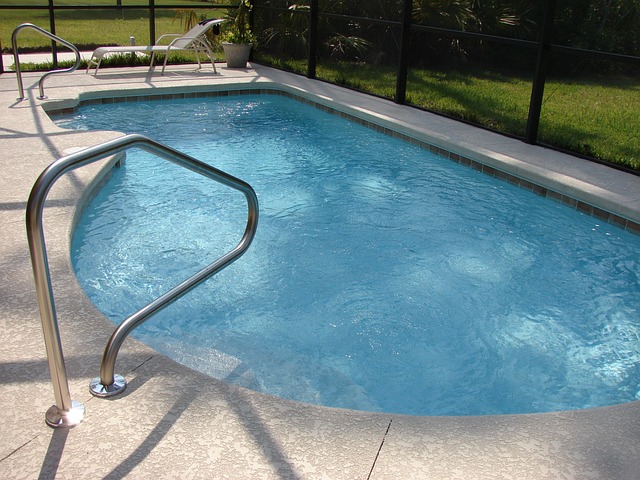
Fences are one of the most common types of pool barriers. They provide a secure enclosure around the pool area, preventing unsupervised access. When selecting a fence, it’s important to consider the height, material, and design that comply with safety regulations.
Gates are integral parts of pool barriers, allowing controlled entry and exit. It’s crucial to ensure that gates are equipped with self-closing hinges and self-latching mechanisms. The latch should be positioned out of reach of young children and should automatically engage when the gate is closed.
Alarms can be installed on doors, gates, or directly on the pool itself. They alert homeowners when someone enters the pool area or when the water is disturbed, providing an extra layer of safety. Pool alarms are available in different types, such as surface wave detection and subsurface disturbance detection.
Pool covers provide an additional layer of safety when the pool is not in use. They come in various forms, including manual, semi-automatic, and automatic covers. It’s important to choose a cover that is strong, durable, and capable of supporting the weight of a person to prevent accidental submersion.
Whatever methods of pool barrier you use for your home, don’t forget to inspect them periodically for any signs of damage, wear, or corrosion. Repair or replace any broken components immediately to maintain the integrity of the barriers.
