
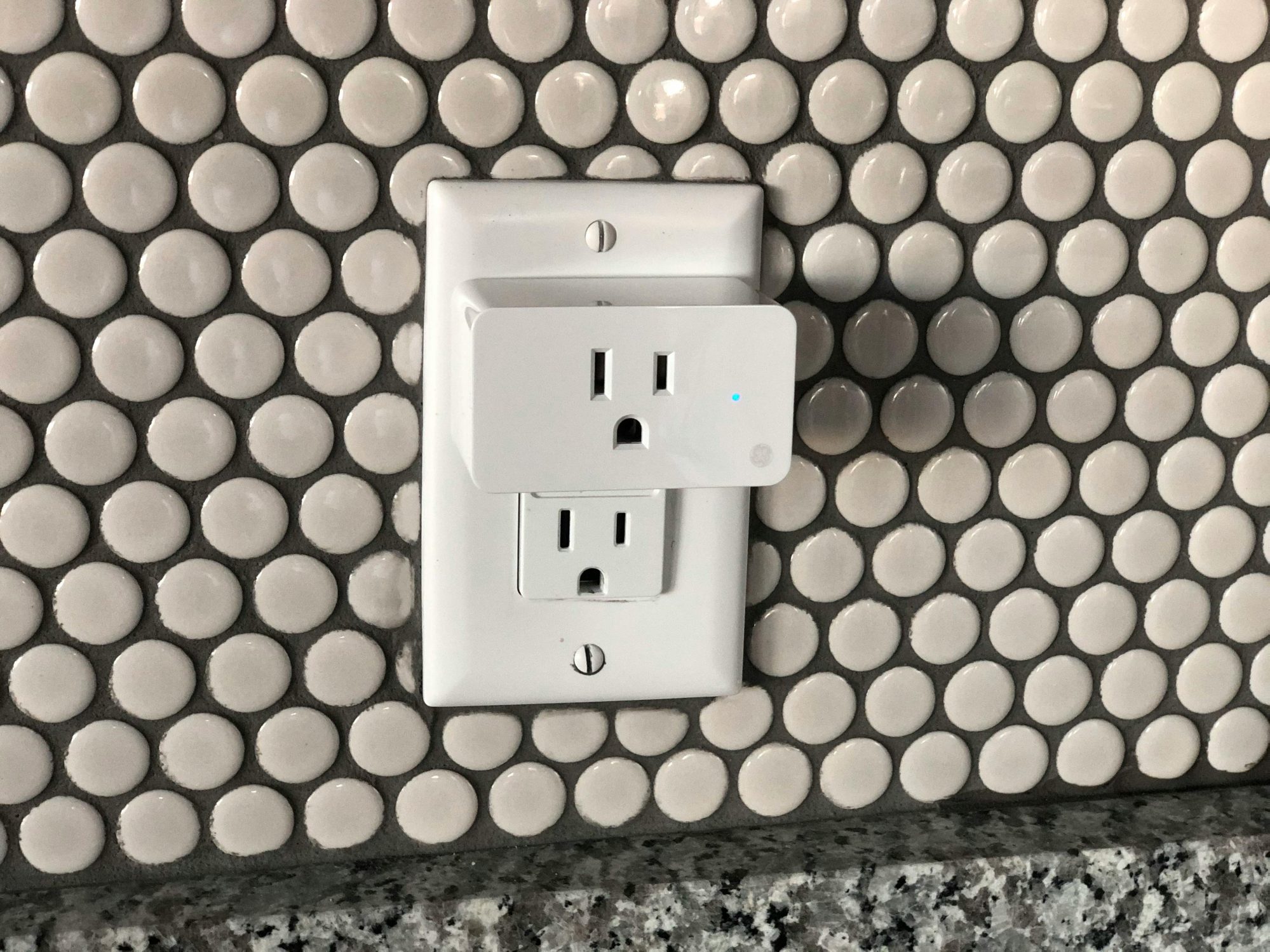
At first glance, a cracked or missing electrical outlet cover can seem like a purely cosmetic issue—one of those small imperfections that’s easy to overlook. After all, the outlet still works, the lights turn on, and nothing appears immediately wrong. However, damaged outlet covers deserve more attention than they typically receive, as they play a quiet but important role in household safety.
Why Outlet Covers Matter
An outlet cover, also known as a faceplate, is designed to act as a barrier between people and energized electrical components. When intact and properly installed, it helps prevent accidental contact with wiring or terminal screws. If the cover is broken, loose, or missing altogether, those components may be exposed.
This exposure increases the risk of electrical shock, particularly in homes with children, pets, or high foot traffic. Even a brief or accidental contact can result in injury, making this a safety concern rather than a cosmetic one.
Fire and Electrical Risks
Beyond shock hazards, damaged outlet covers can also contribute to fire risk. Electrical arcing—small sparks that occur when electricity jumps through air—can happen if metal objects, dust, or debris come into contact with exposed wiring. Over time, arcing can generate heat and potentially ignite nearby combustible materials.
While these situations may not be common, they are avoidable. Outlet covers are part of a system designed to reduce these risks and maintain a safer electrical environment.
Moisture Concerns in Certain Areas
In areas such as kitchens, bathrooms, laundry rooms, garages, or near exterior walls, outlet covers provide an added layer of protection against moisture. A cracked or missing cover can allow humidity or water splashes to enter the electrical box.
Moisture intrusion can lead to corrosion, short circuits, or premature failure of the outlet. These issues may not be immediately visible but can worsen over time if left unaddressed.
Maintenance and Home Condition
There is also the matter of overall home condition. A damaged outlet cover is often considered a maintenance deficiency. While minor on its own, it can signal deferred upkeep when combined with other small issues.
During a home evaluation or sale, details like this can draw attention and raise questions about how well the home has been maintained.
An Easy and Affordable Fix
The good news is that replacing an outlet cover is typically simple and inexpensive. Covers are widely available in various styles and materials, and replacement usually involves turning off the power and removing a single screw.
If the damage extends beyond the cover—such as loose outlets, cracked receptacles, or signs of overheating—it’s important to address those conditions before installing a new plate.
Final Thoughts
Ignoring a broken or damaged outlet cover is not recommended. While it may seem minor, it serves an important protective purpose. Repairing or replacing it is a small step that helps reduce safety risks, supports proper electrical performance, and keeps a home in good working order.
