
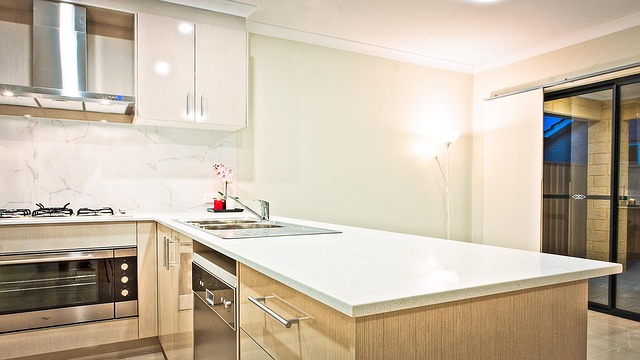
Choosing a kitchen countertop is a decision that affects both the appearance and the functionality of the space. The right surface should withstand daily activity, support safe food preparation, and complement the overall layout of the kitchen. By examining how the material performs under typical household conditions, homeowners can narrow down options and invest in a countertop that will serve their needs well over time.
1. Start With an Honest Assessment of Daily Use
Before comparing materials, consider how the kitchen is used on a regular basis. Households that cook frequently may benefit from heat-resistant and scratch-resistant surfaces. Busy families with children often prioritize stain resistance and low maintenance. If the kitchen functions as a multipurpose space—food prep, homework, gathering—it may be wise to select a surface that balances appearance with durability.
2. Understand the Strengths and Limitations of Common Materials
Each countertop material performs differently under routine wear:
- Granite: Extremely durable and heat resistant. It does require periodic sealing to prevent stains, but when maintained properly, it handles heavy use well.
- Quartz (Engineered Stone): Non-porous and low maintenance. It resists stains and scratches and does not require sealing. However, it is not as heat tolerant as natural stone.
- Solid Surface (e.g., Corian): Seamless appearance and easily repaired if scratched. Less resistant to heat and cutting.
- Butcher Block: Warm, inviting look and ideal for food prep when maintained properly. It requires regular sealing or oiling and can show scratches and water stains if neglected.
- Laminate: A budget-friendly option with many style choices. It is not heat resistant and can be damaged by deep cuts or standing water.
- Concrete and Porcelain: Increasingly popular for modern kitchens. These options offer high durability but may require professional installation and, in the case of concrete, careful sealing.
3. Evaluate Maintenance Requirements
Countertops differ significantly in how much upkeep they require. Homeowners who prefer a low-maintenance surface may lean toward quartz or laminate. Those comfortable with periodic sealing might choose granite or concrete. Busy kitchens benefit from materials that are easy to clean and difficult to damage during everyday activities.
4. Consider Compatibility With Cabinets and Flooring
A countertop should complement the home’s overall design scheme. Neutral surfaces tend to age well and accommodate future changes in paint or décor. When selecting colors and patterns, examine samples under the home’s actual lighting, as materials often appear different in store displays.
5. Factor in Budget and Longevity
While cost is a practical consideration, choosing the least expensive option is not always the most economical long-term choice. Materials with higher durability often reduce the likelihood of future repairs or early replacement.
Choosing the right kitchen countertop involves balancing lifestyle needs, maintenance expectations, and design preferences. With thoughtful evaluation, homeowners can select a surface that enhances both daily function and long-term value.
